

The right to psycho-physical health is the core realisation of human dignity, and it is universally protected by international agreements and the Italian Constitution. However, the COVID emergency has shown the extent in which language barriers constrict any knowledge about local health system and, as a result, severely limit care accessibility by minorities, including first-arrival migrants.
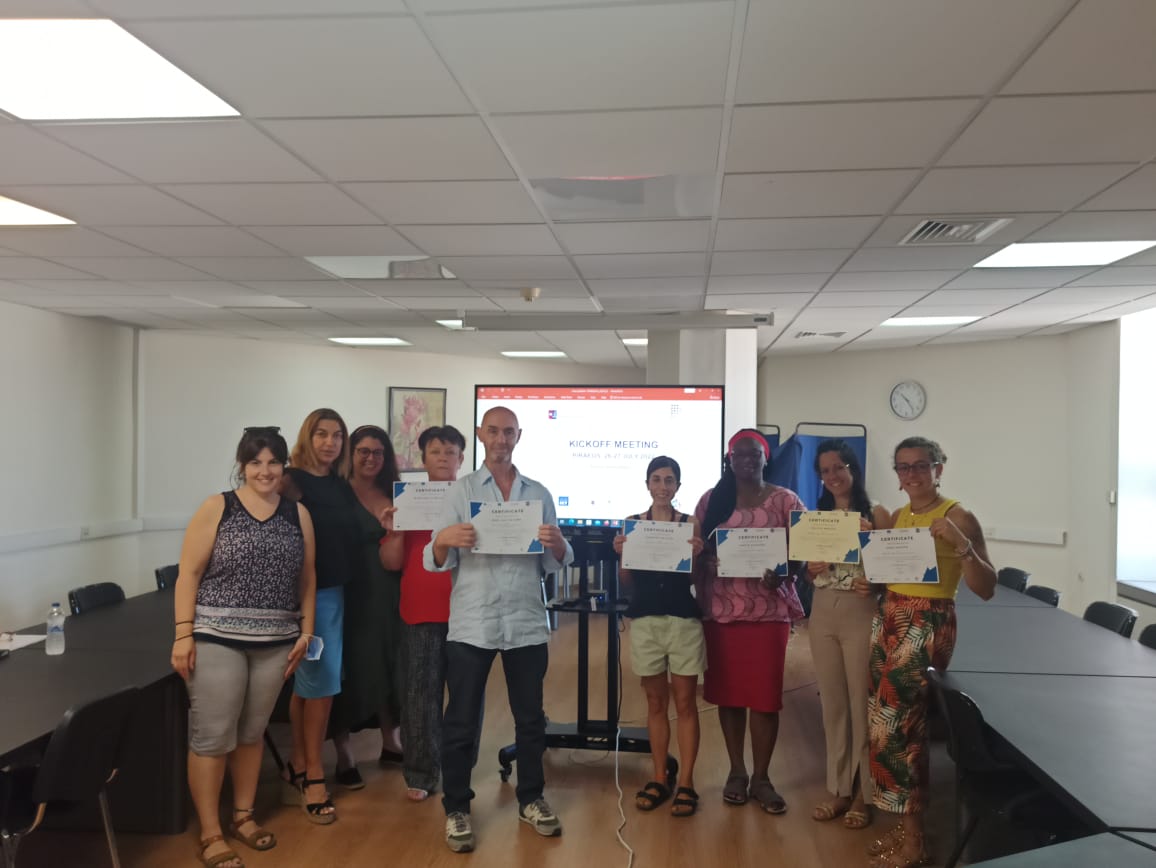
In response to these issues, PRISM Social Enterprise is pleased to officially announce the beginning of the Erasmus+ project “HealthMi: Health care professional guidance for Migrants”, whose kick-off took place between 26 and 27 July 2022 in Athens, hosted by the University of Piraeus, project coordinator.
The project aims at improving healthcare accessibility to migrants. The activities planned over the two years of project, are set to identify innovative ways for reducing inequalities and redirecting local healthcare systems towards greater consideration of migrants’ health and psycho-social wellbeing.
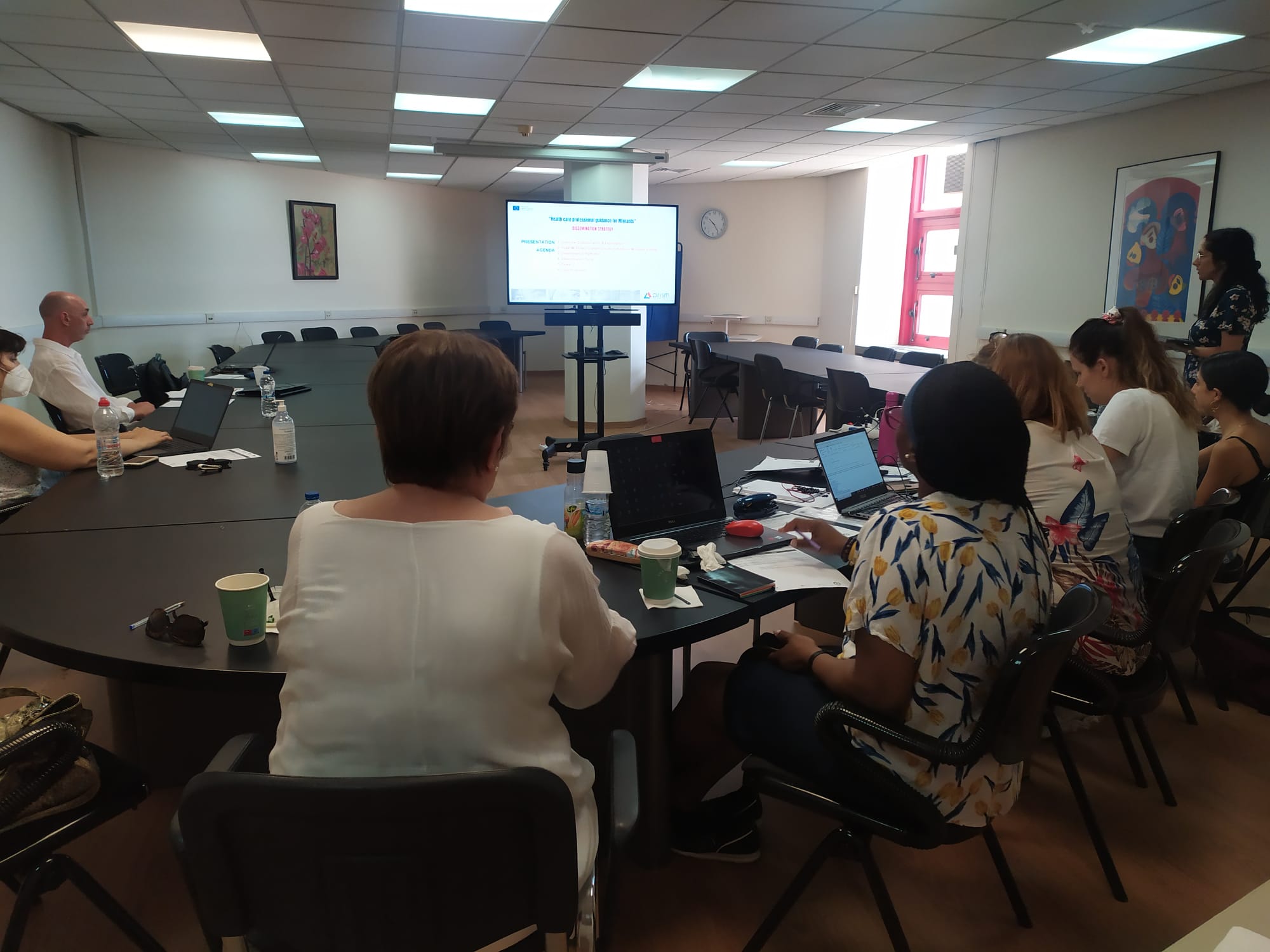
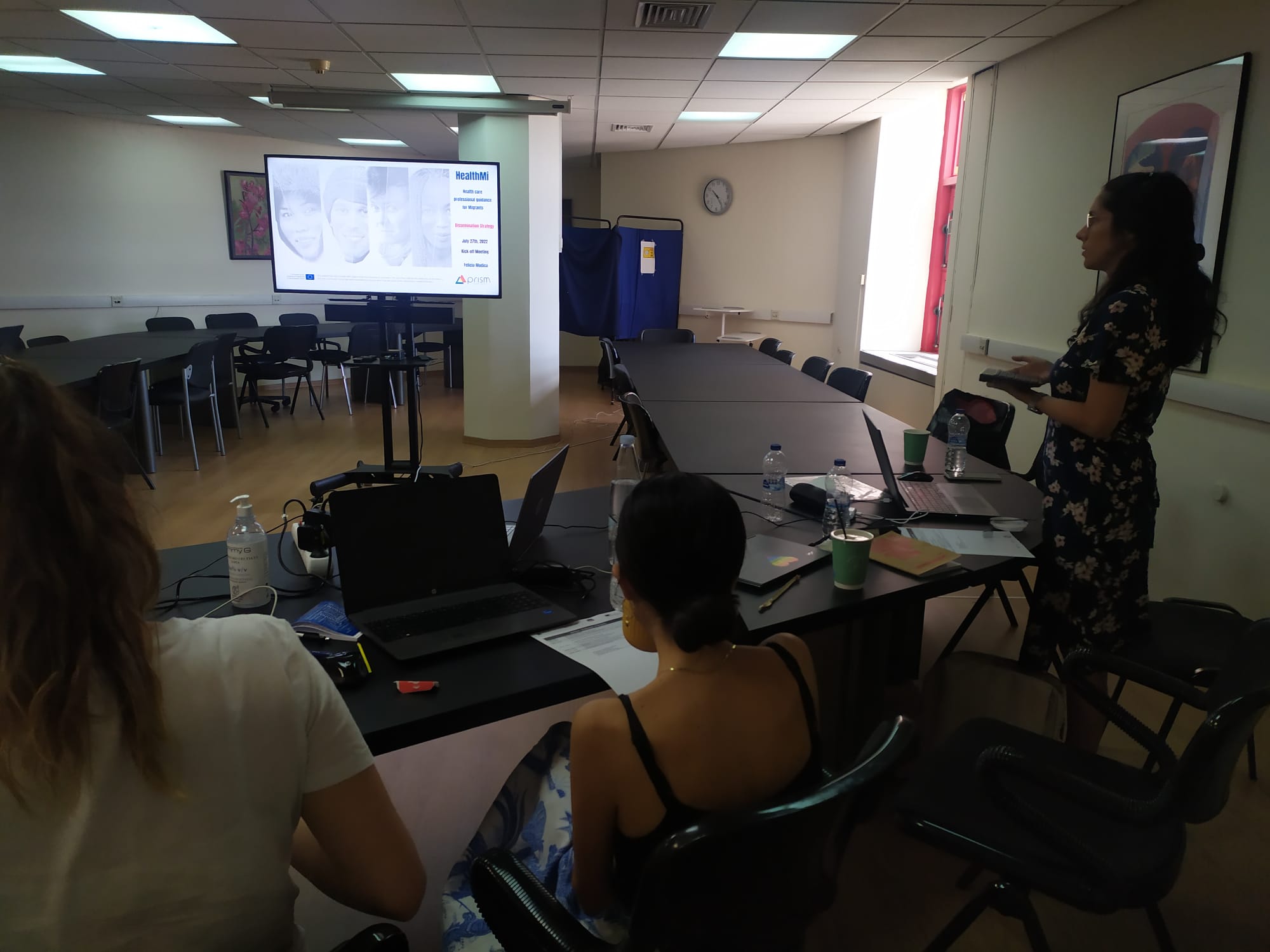
During the two intensive work days of the kick-off, the partnership had the opportunity to discuss and map out a common course of action to achieve the expected results:
- Health literacy methodology: context analysis and best practices’ mapping phase aimed at raising awareness on migrants’ accessibility obstacles to local healthcare services and systems.
- Double training Program on Healthcare accessibility: organization of two twin training programs. On the one hand, healthcare professionals will be trained to efficiently addressing quality information and support to migrants, concerning their psycho-social wellbeing. On the other hand, the hybrid curriculum for migrants will provide basic knowledge and materials for an easy access to local healthcare services.
- Multilingual digital platform: co-creation of online information provider of both training content and basic knowledge materials linked to healthcare. This gateway will be structured as interactive tool for the networking of both targets

This project has been funded with support from the European Commission. This document reflects the views only of the authors, and the Commission cannot be held responsible for any use which may be made of the information contained therein.