

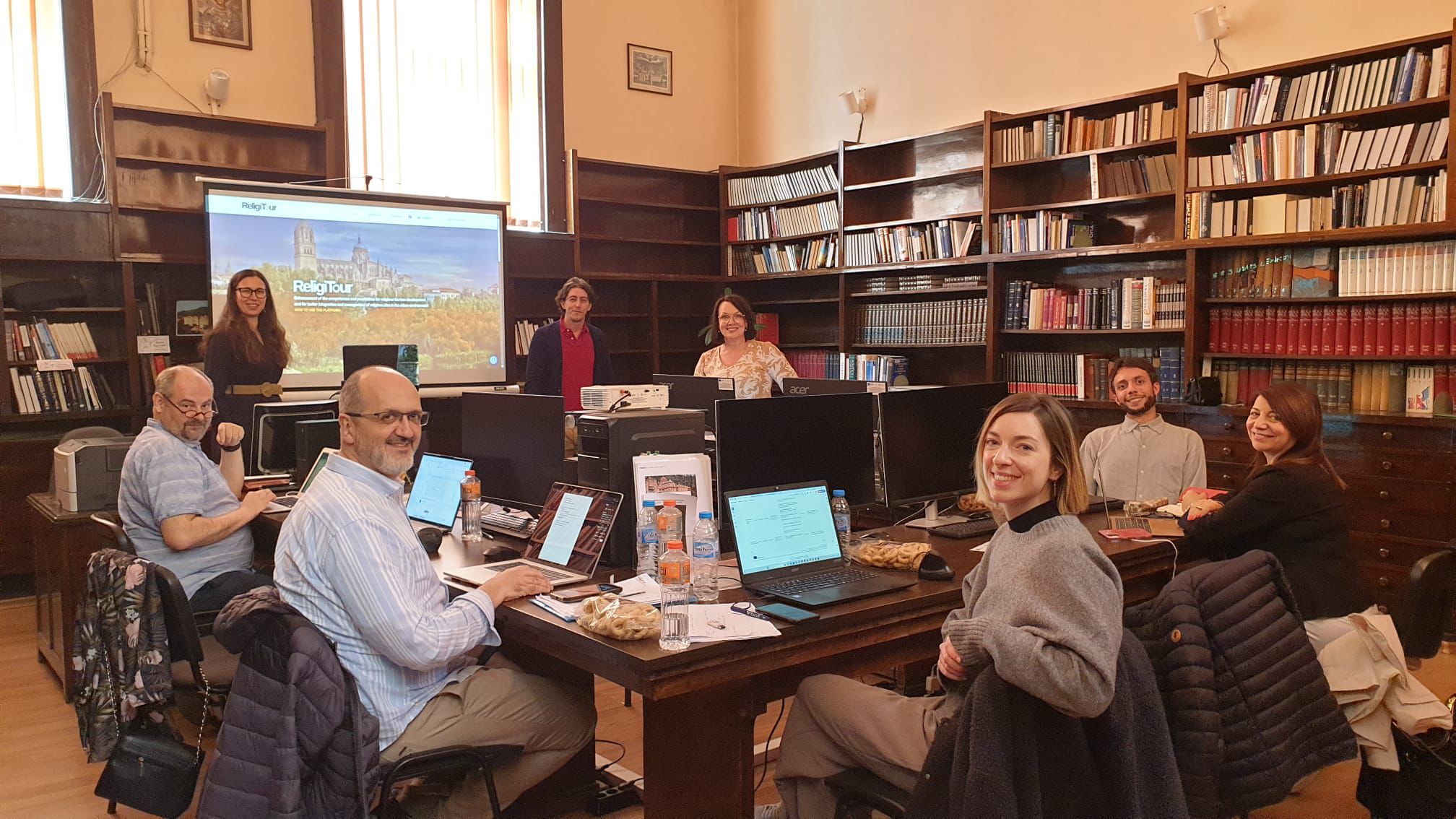
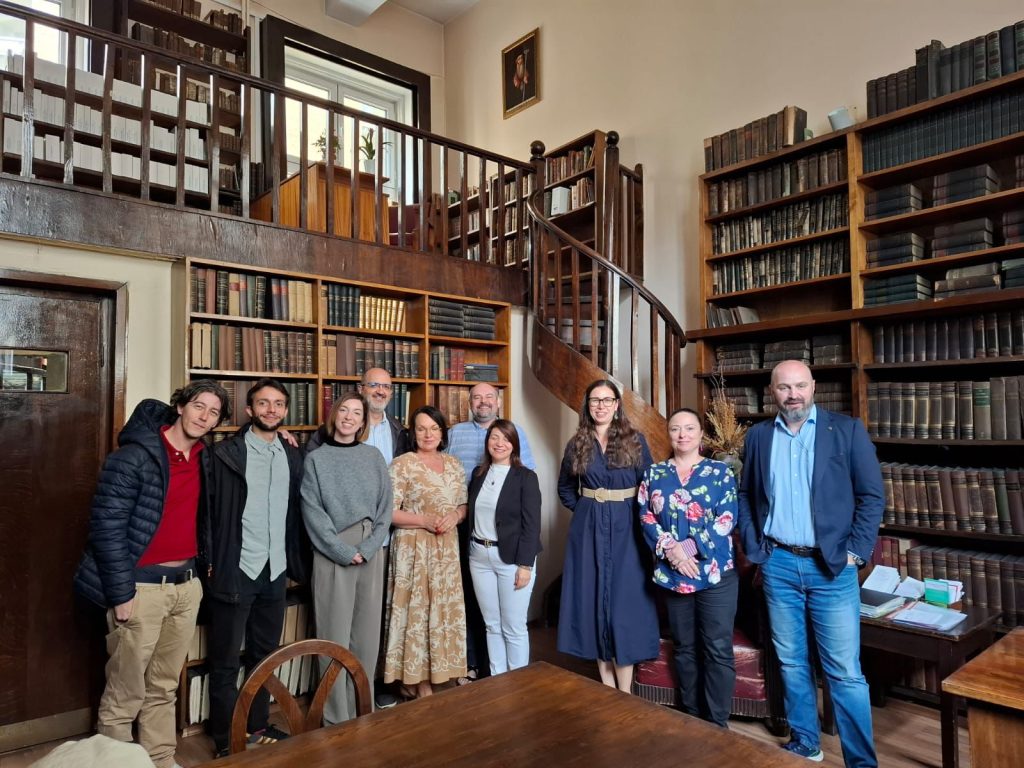
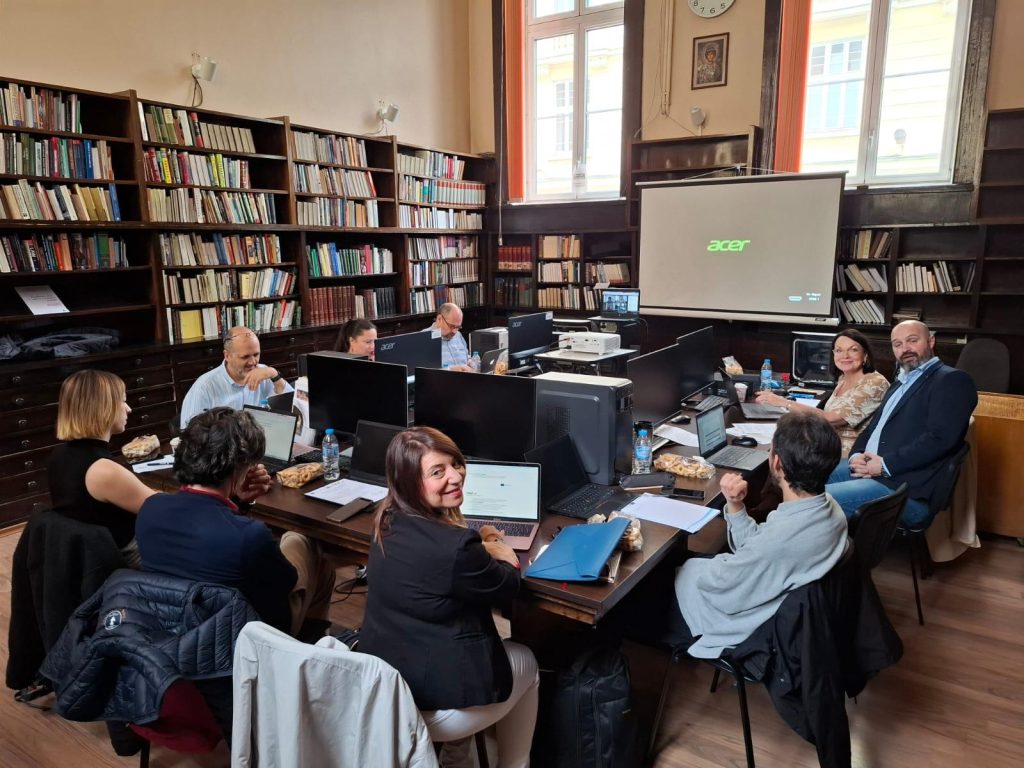
On 29–30 May 2025, the third transnational meeting of the European project ReligiTour, co-funded by the Erasmus+ Programme, took place in Sofia, Bulgaria. The event, hosted by the PAX Rhodopica Foundation, brought together partners from eight European countries — including universities, cultural institutions, and third-sector organizations — united by the mission of promoting religious heritage as an educational, cultural, and touristic resource.
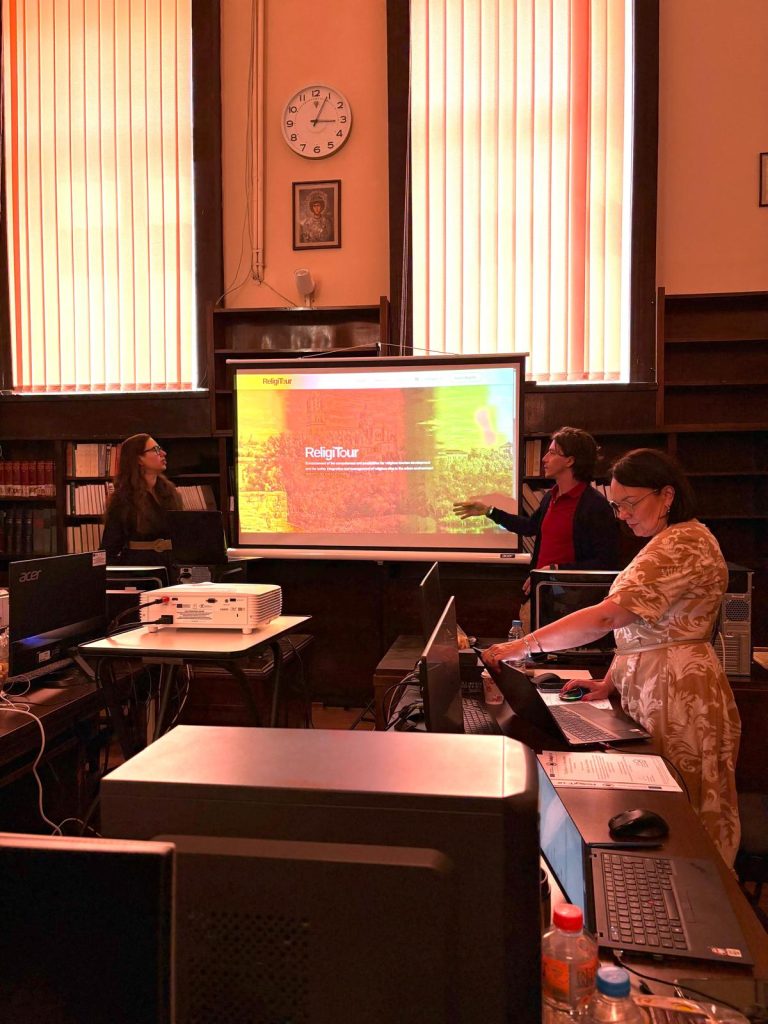
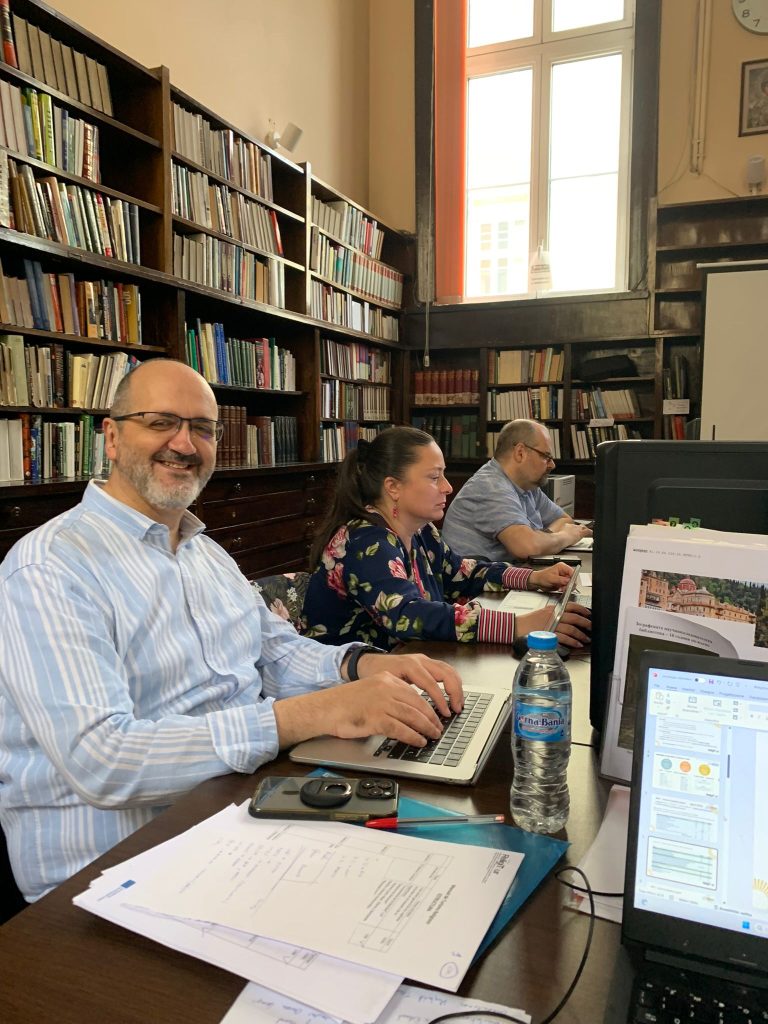
Throughout the two-day meeting, participants shared updates on the progress of the project’s main outputs, confirming steady advancement in the development of key tools such as the Handbook on Religious Tourism, the Guidelines for the Integration of Religious Sites, and the Model for an Integrated Approach to Spiritual and Cultural Tourism. The meeting also focused on resources currently under development, including a Trainer’s Guide and an e-learning platform that will offer courses, videos, quizzes, and interactive content.
Special attention was given to the digital dimension and the educational impact of the project’s tools, with the goal of engaging university students, tourism professionals, and local communities in the sustainable enhancement of Europe’s religious heritage. Partners also outlined the next steps toward the creation of an online academic library and the organization of an international training programme, to be held in Italy in September 2025.
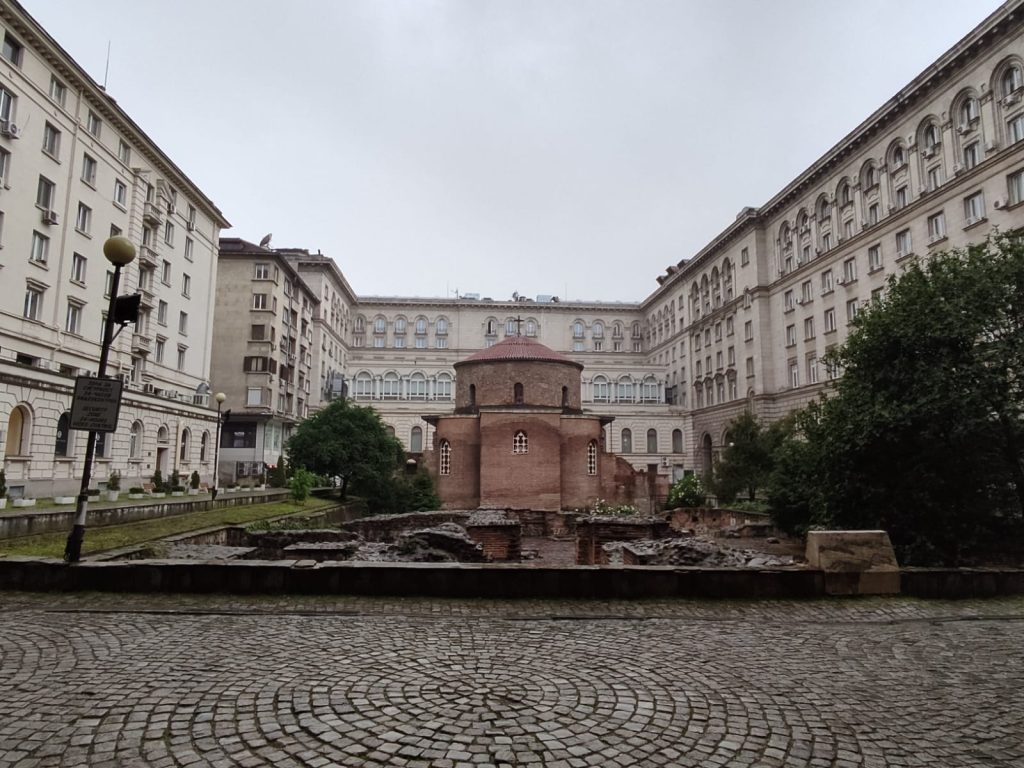
The meeting was enriched by two culturally significant experiences. On the first day, participants joined a guided walking tour of Sofia’s historic centre, discovering the city’s rich spiritual tapestry where Orthodox churches, synagogues, and mosques coexist within the urban landscape — a powerful reflection of the project’s values.
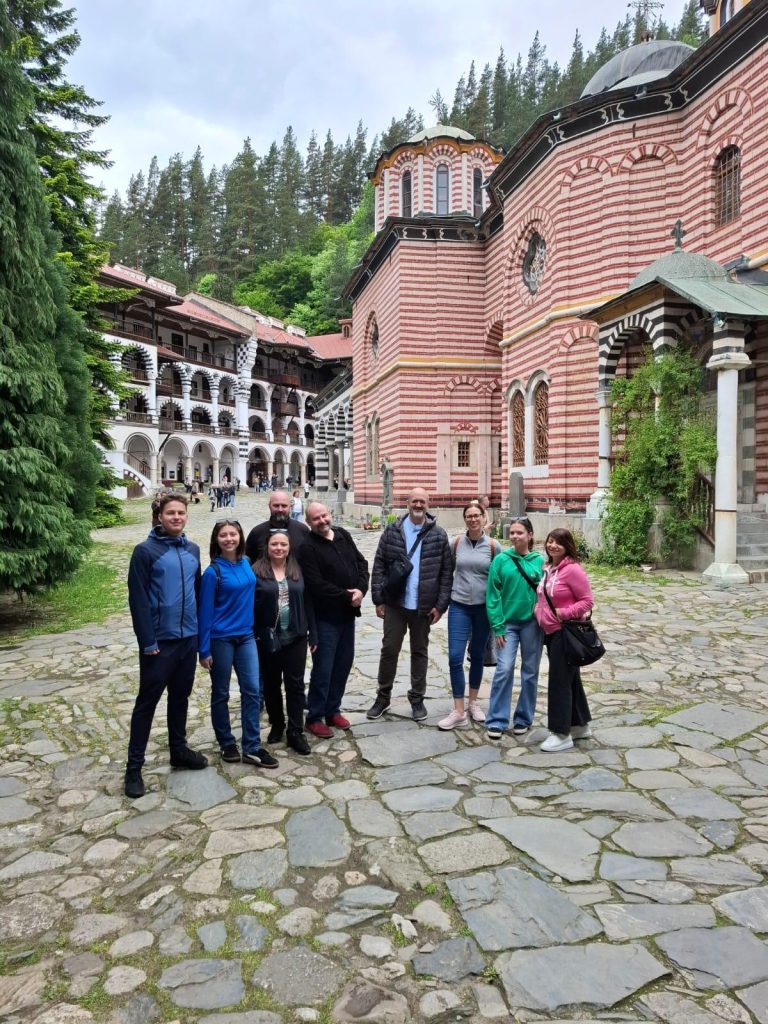
On the following day, the group visited the Rila Monastery, one of Bulgaria’s most important religious and cultural landmarks and a UNESCO World Heritage Site. The visit offered a concrete opportunity to reflect on the value of religious heritage as both an educational resource and a tourist attraction, while observing real-world practices in preservation, visitor engagement, and spiritual storytelling.
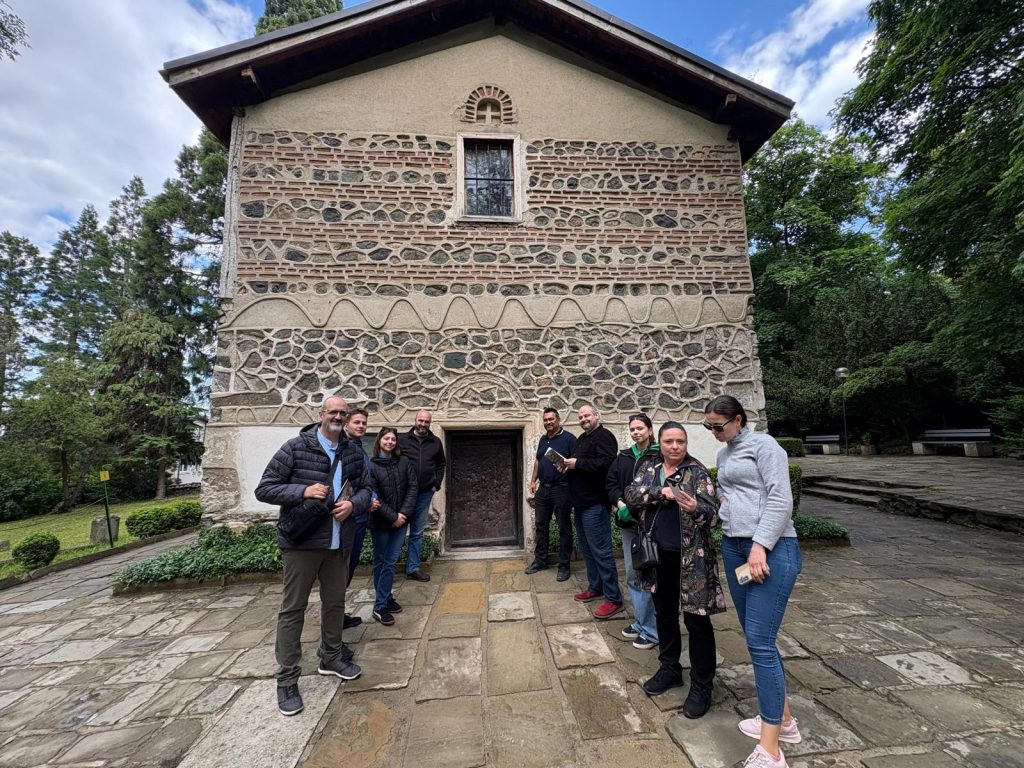
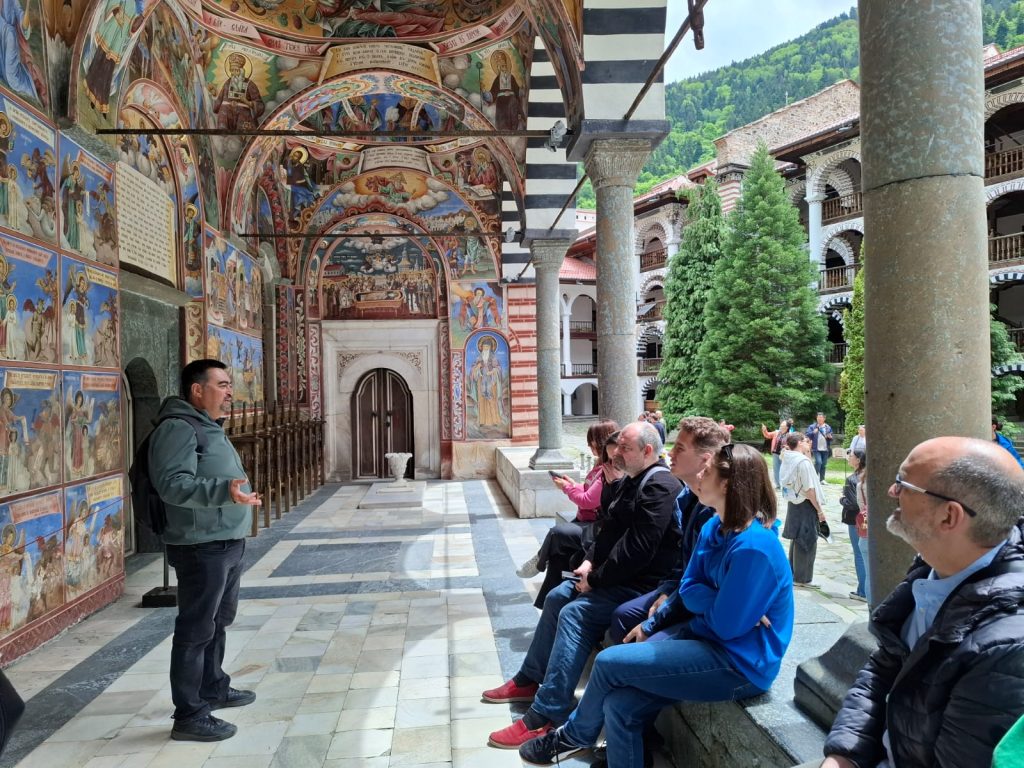
These experiences further reinforced the shared awareness of the importance of safeguarding religious heritage not only as a legacy of the past but as a driver of social cohesion, intercultural dialogue, and sustainable development for communities across Europe.

Co-funded by the European Union. Views and opinions expressed are however those of the author(s) only and do not necessarily reflect those of the European Union. The European Union cannot be held responsible for them.