

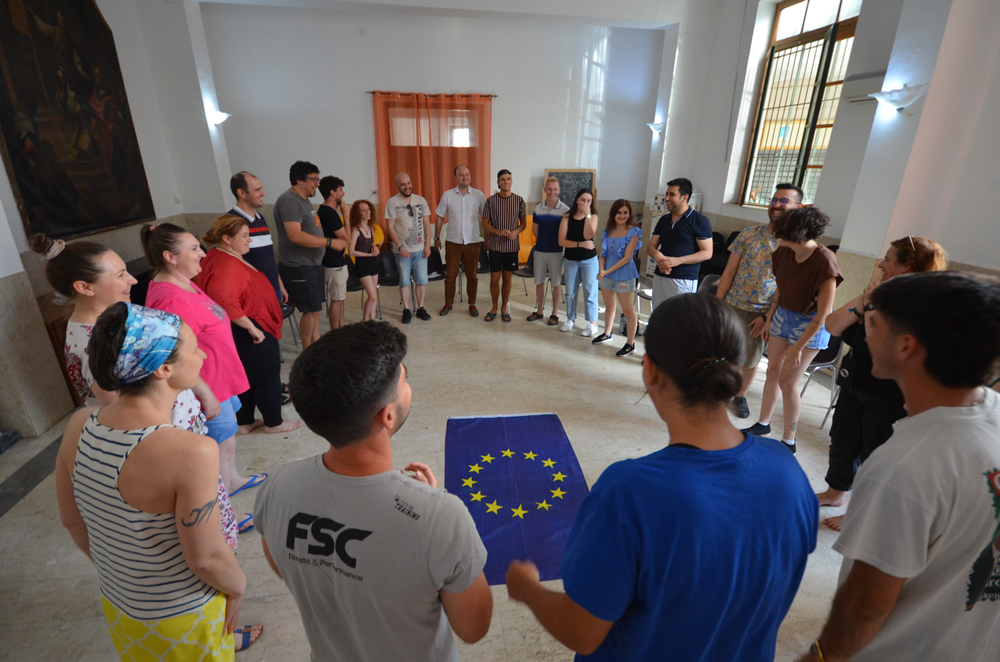
The “GESSI – GreEn Spaces for Social Inclusion” project was successfully held from June 1st to 9th 2022 in Palermo – Italy, hosted by “PRISM Impresa Sociale s.r.l.”
Aiming to support the professional development of socio-educational animators, the training activity focused on the possibility of building a more inclusive and sustainable society through strengthening the skills of youth workers in the use of educational methods related to the creation of urban gardens.
Through the contribution of experts in the field, participating co-experts and project managers, it was possible to undertake a real path of personal development and growth that, together with the acquisition of skills related to new educational methods and the management of urban gardens, led to the achievement of the expected results with more than positive feedback.
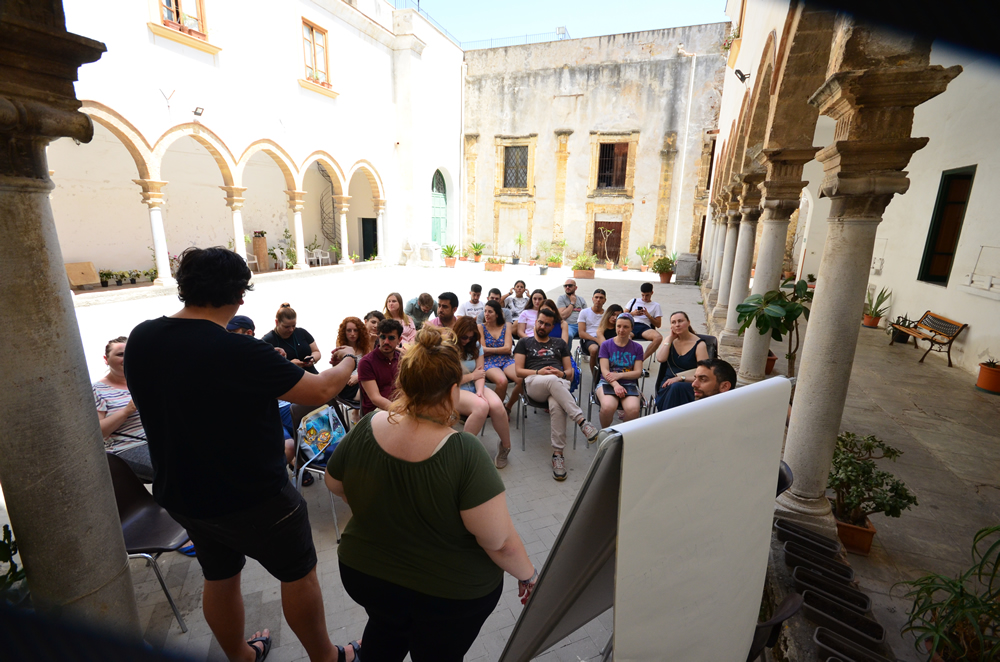
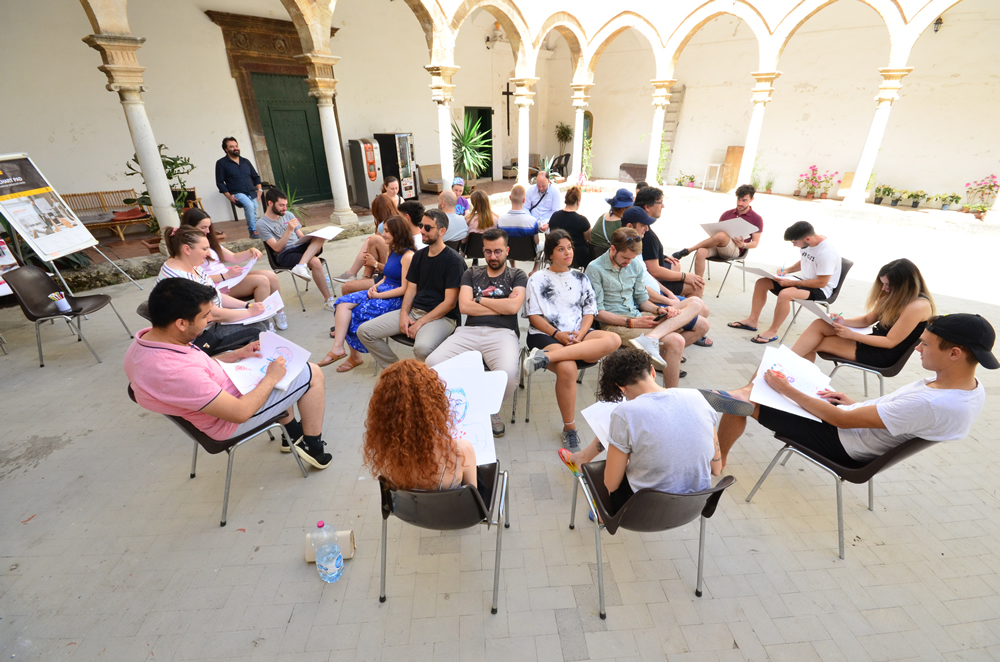
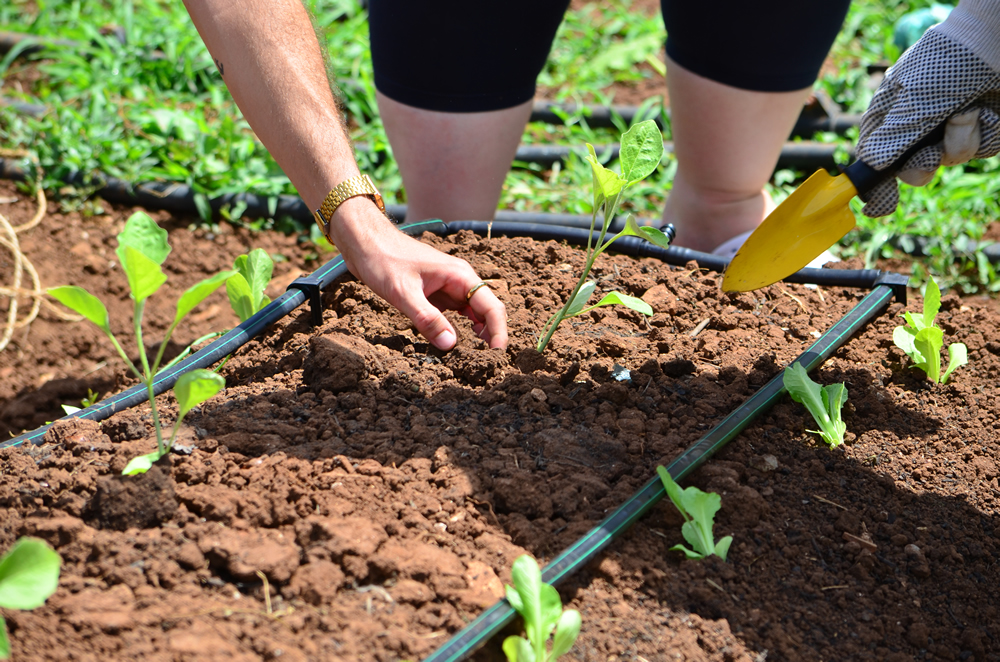
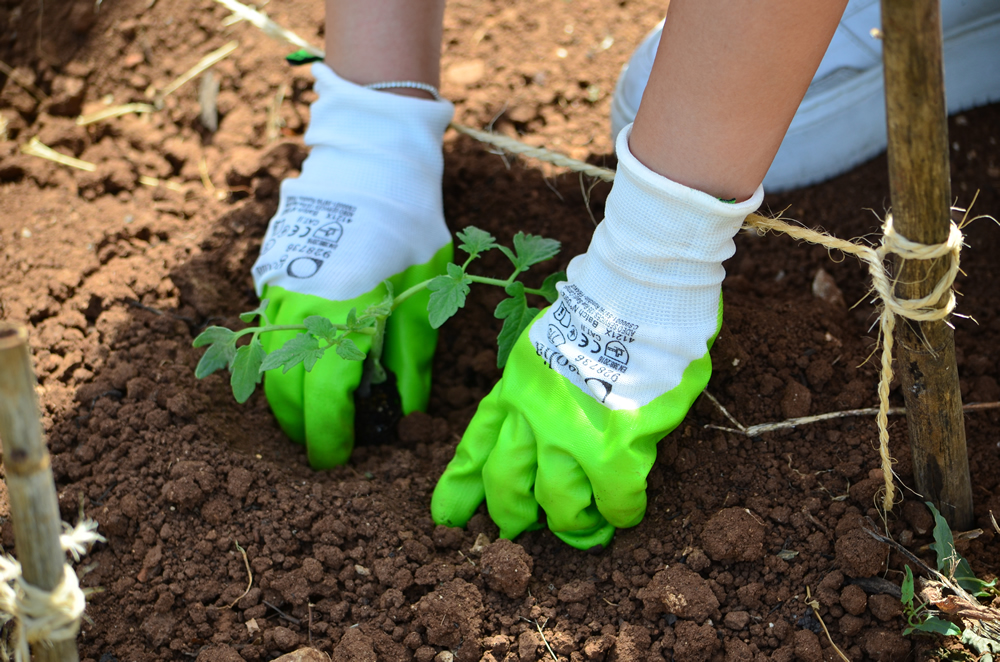
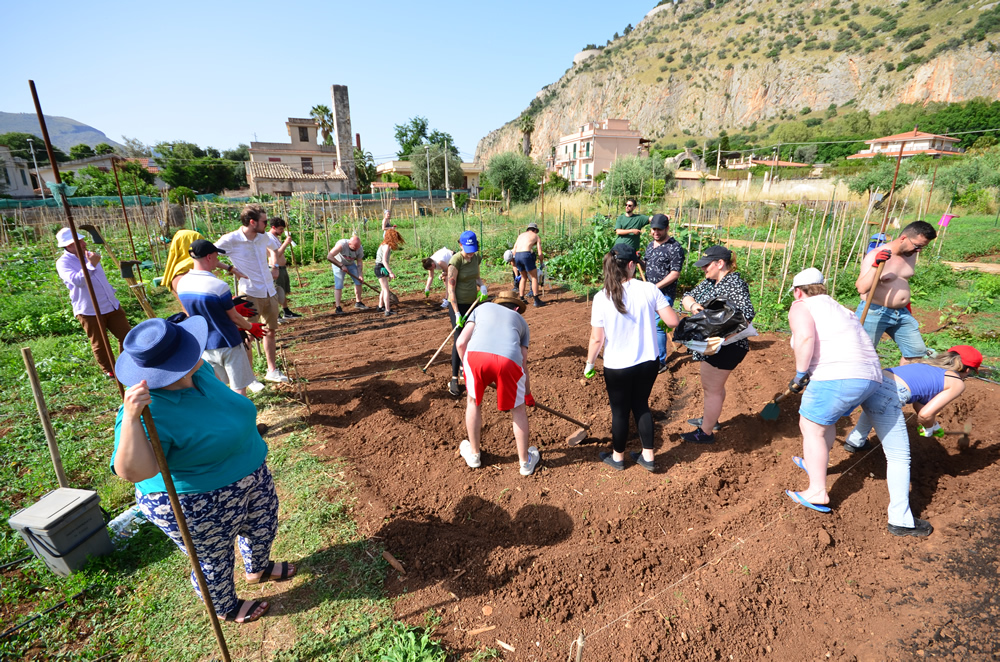
Participants were able to experience both theoretical training activities and descent into the field, actively working within an urban garden and treasuring the collaboration and team working put in place by the international group.
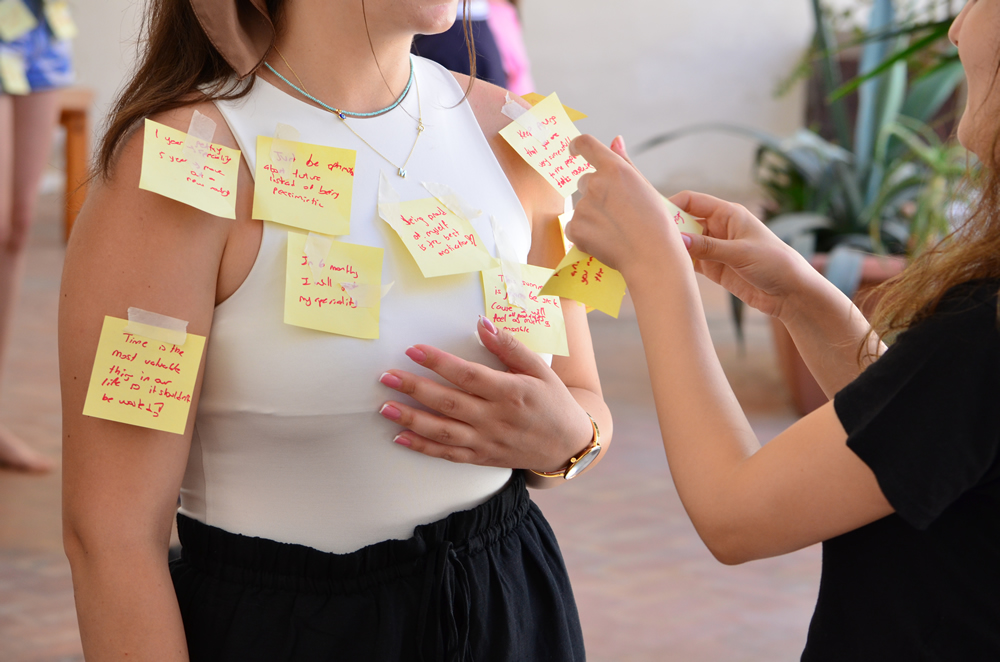
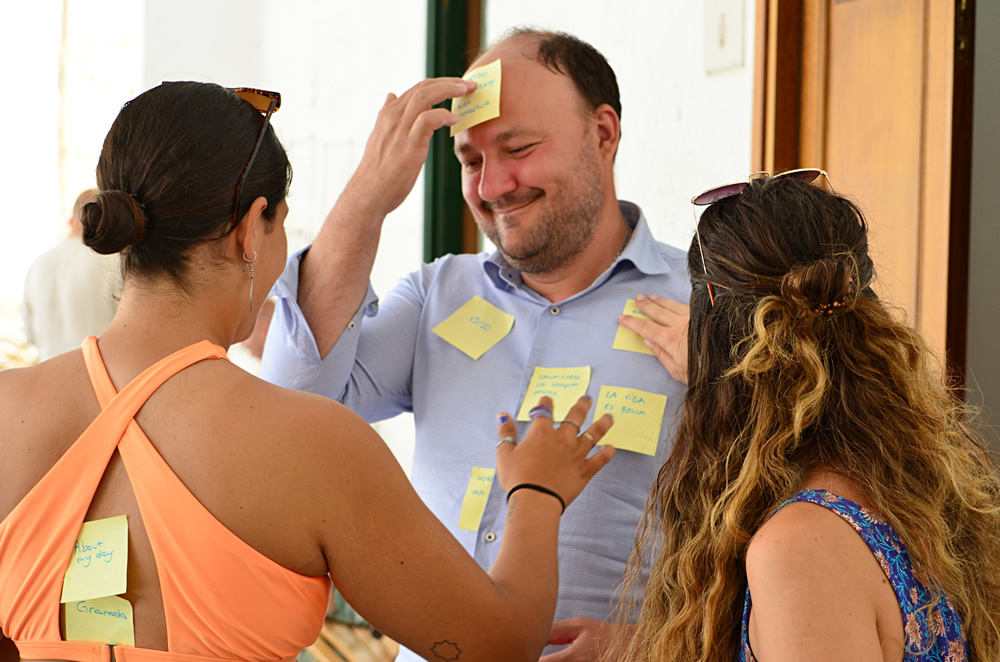
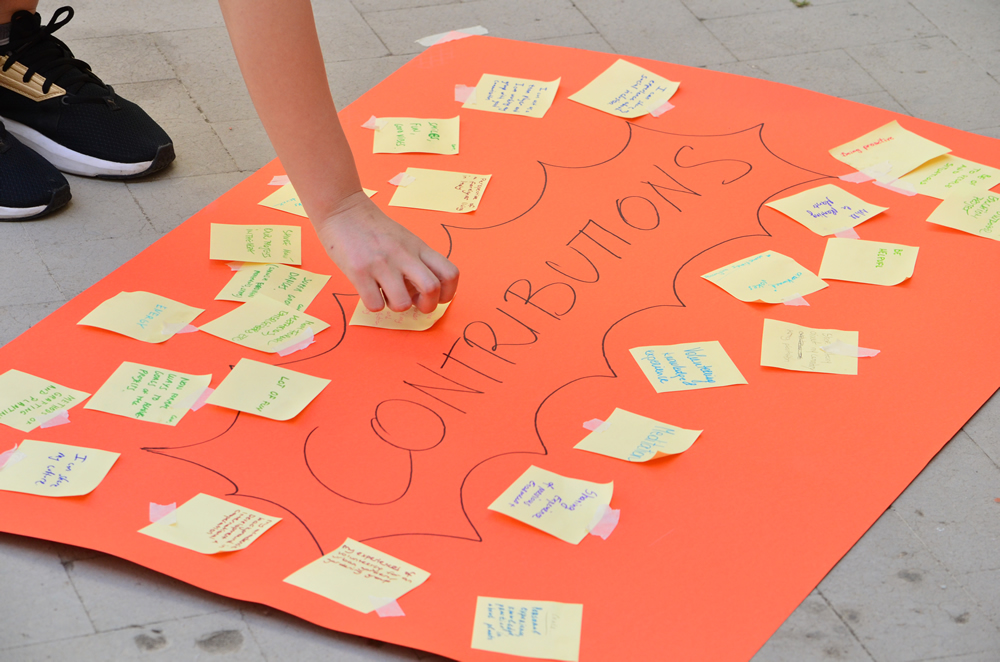
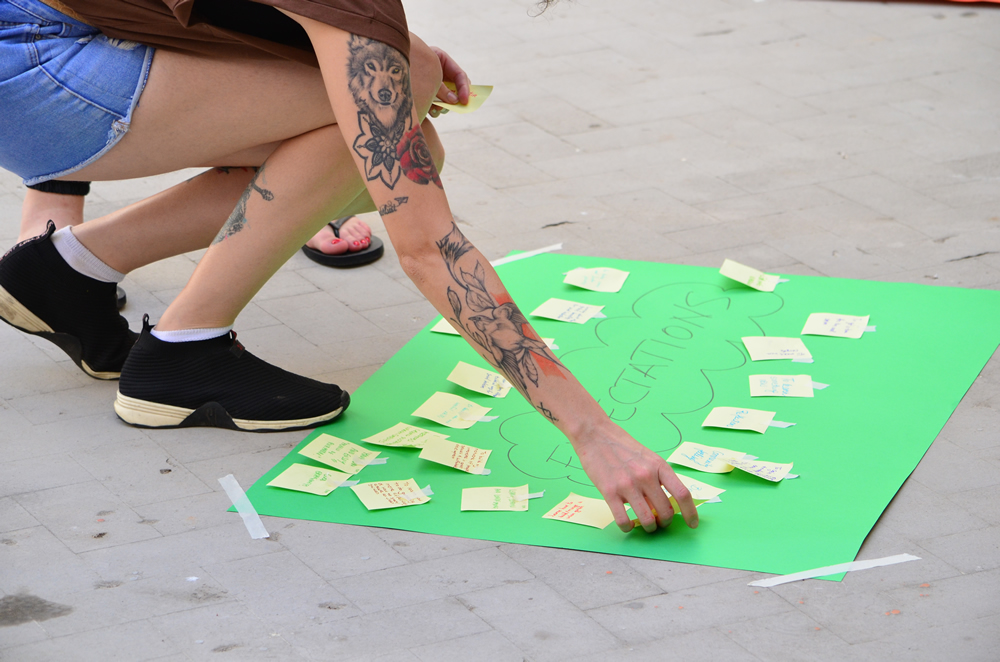
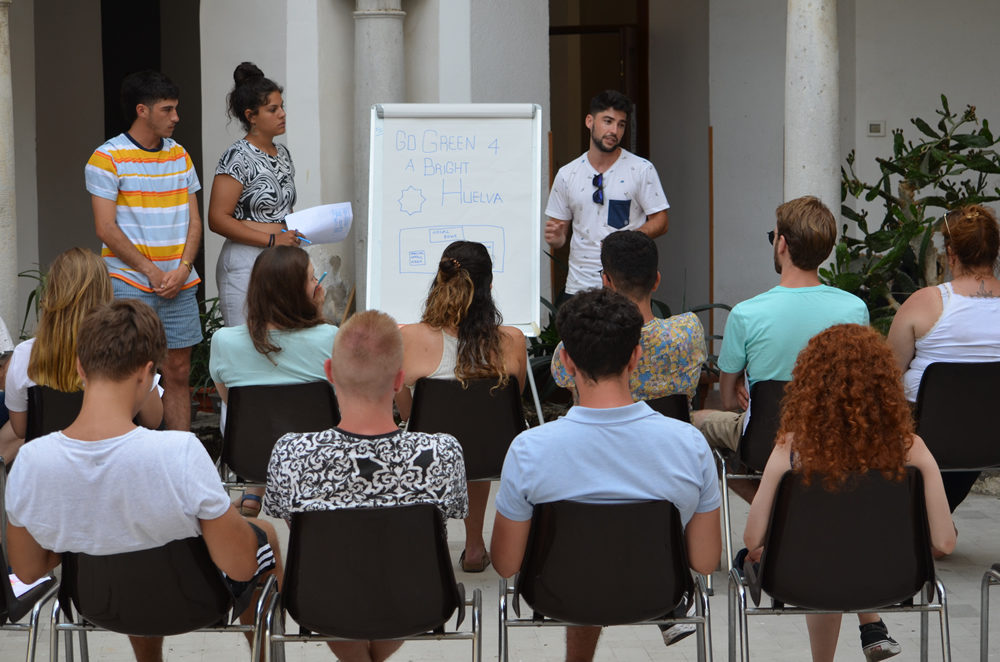
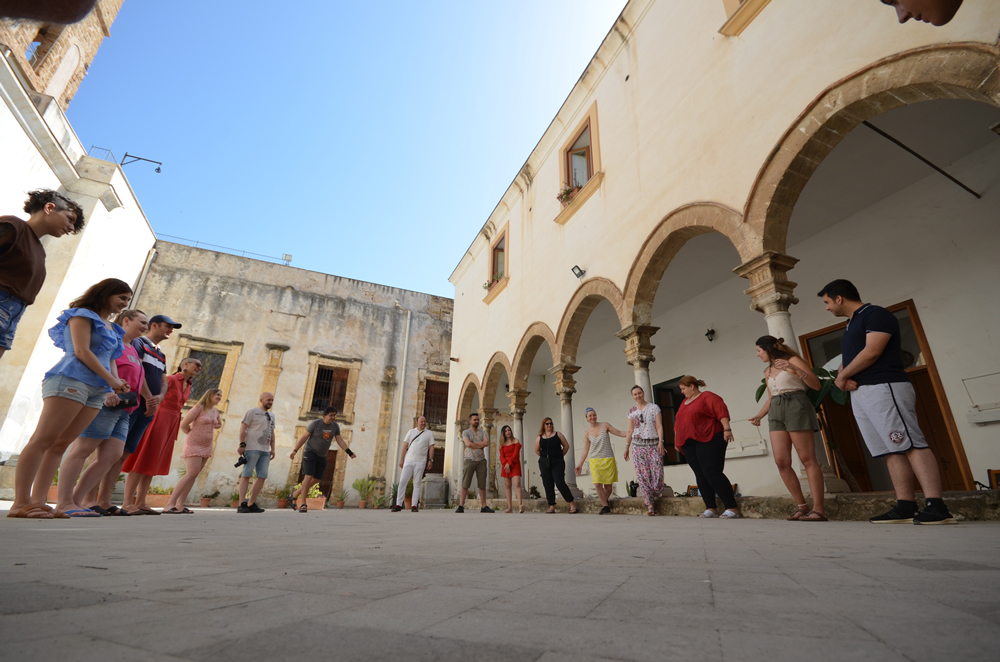
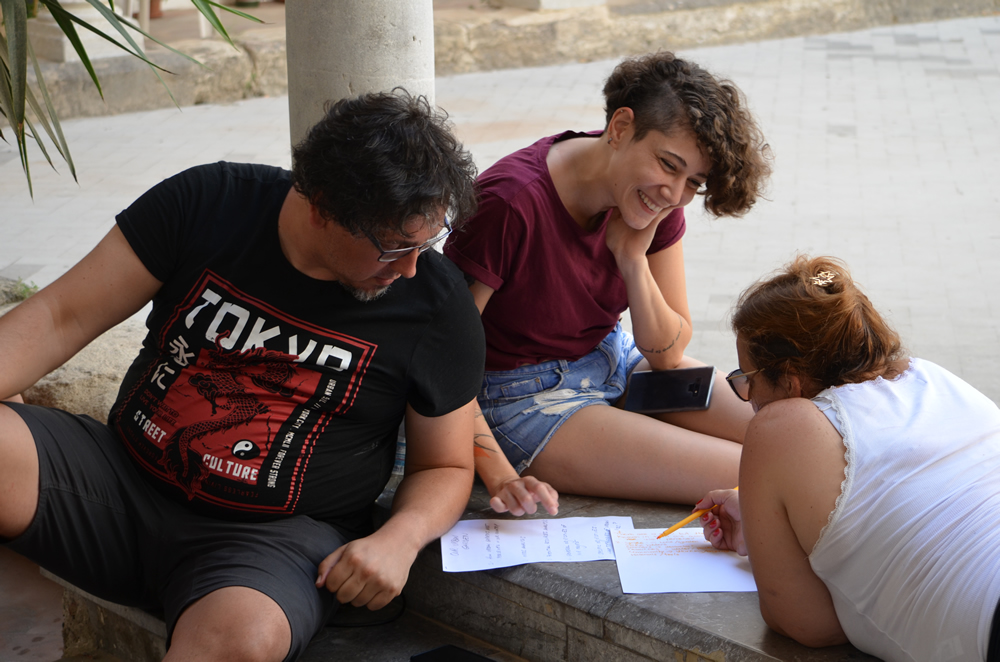
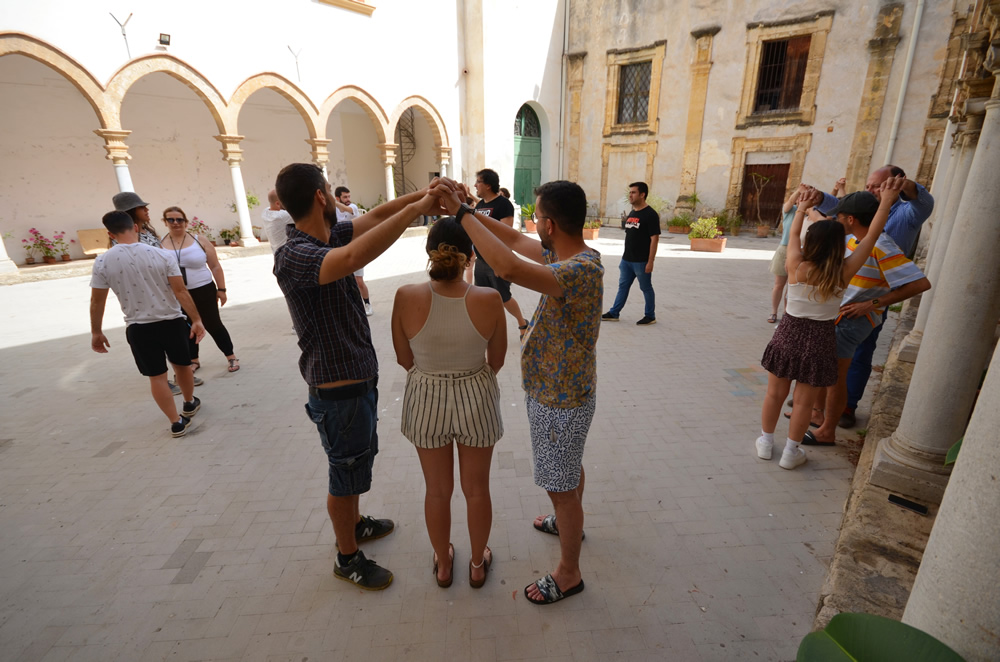
Planned activities included days of field work – mixing soil and seeding, irrigation system, planting – and reflection and training activities – sharing of rules, urban garden models, team building, design thinking.
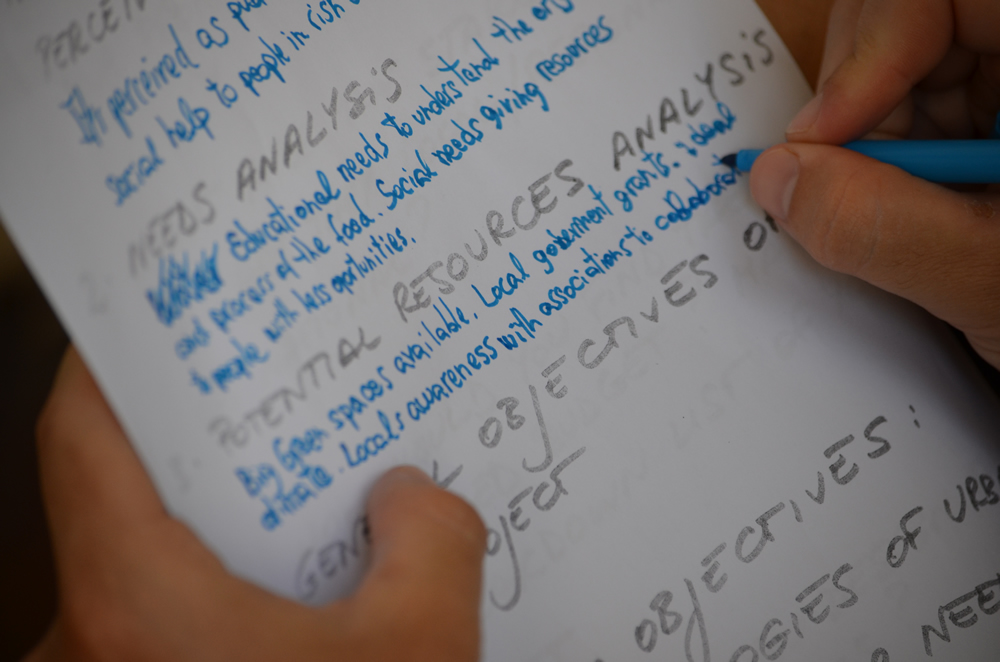
There were also many moments dedicated to the sharing of best practices and experiences from the participating national groups – Italy, Poland, Turkey, Bulgaria, Portugal, Romania, Lithuania, and Spain – which were also able to try their hand at developing an ideal urban garden project that reflected national needs and, in addition to being innovative, included the key points acquired during the training.
The result of this confluence of activities, exchanges and sharing is, first of all, a rather high degree of satisfaction among all participants. Secondly, the baggage formed at the end of the “GESSI” project constitutes excellent material that can be studied and disseminated on future occasions in the field of urban horticulture and social inclusion.

This project has been funded with support from the European Commission. This document reflects the views only of the authors, and the Commission cannot be held responsible for any use which may be made of the information contained therein.