

ECOTOURS aims to redefine tourism through the collaborative efforts of Micro, Small, and Medium Enterprises (MSMEs). These enterprises have focused on creating personalised itineraries that enable visitors to immerse themselves in the rich biodiversity, cultural traditions, and unique sensory experiences of each region. The development of these itineraries took place during five transnational study visits conducted between 2023 and 2024 in Italy, Cyprus, Spain, France, and Hungary. An additional study visit is scheduled to take place in Greece soon.
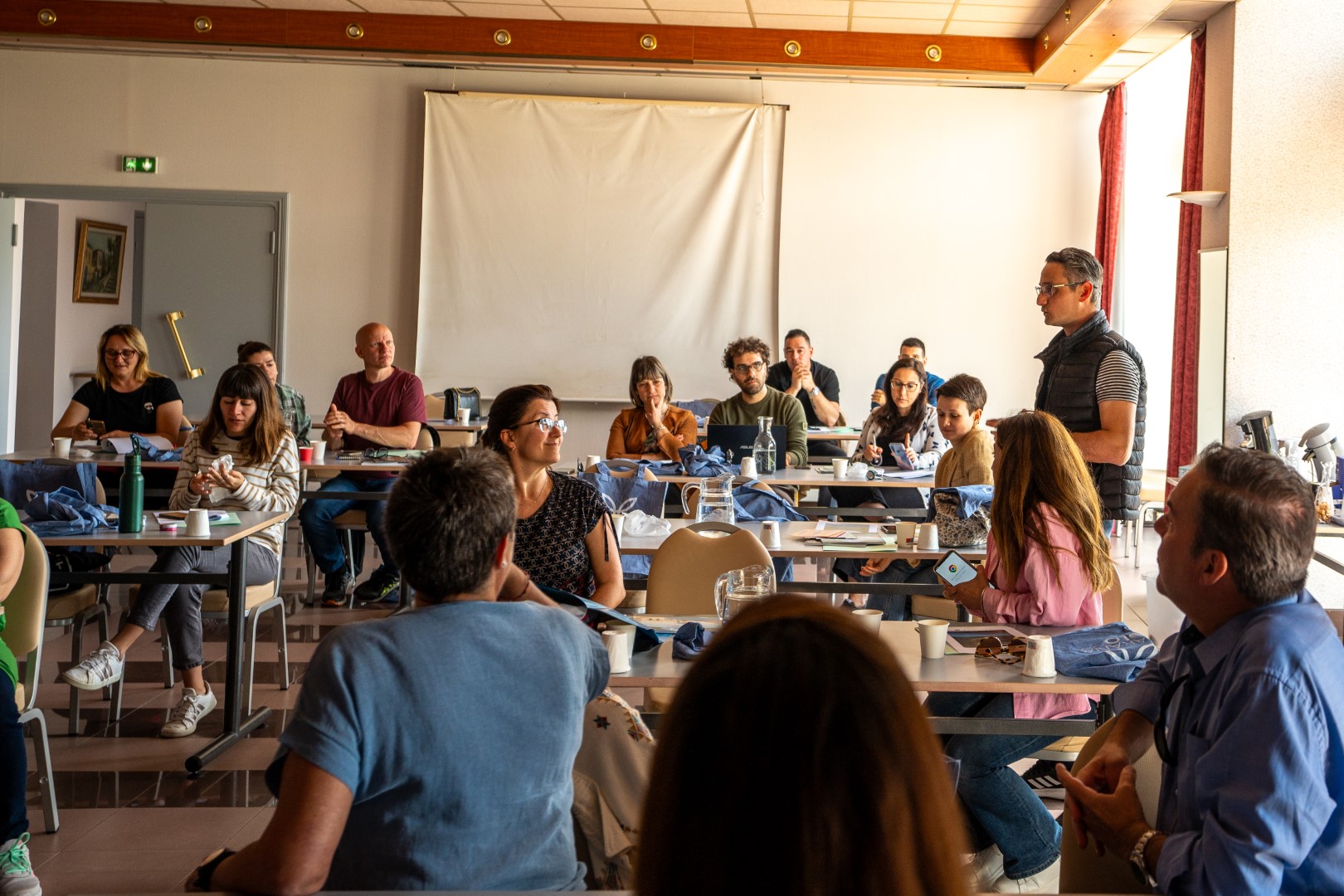
The ECOTOURS partners recently gathered in Szeged, Hungary, to discuss the progress made in the creation of these itineraries. Through their collaboration, they aim to provide travellers with a holistic and immersive tourist experience, connecting them to the essence of each destination.
Considerable efforts were made by the MSMEs to identify and cater to the needs of the itinerary beneficiaries (age, needs, preferences, etc.). They also engaged potential stakeholders (service providers, tourist offices, municipalities) who will promote and extend the geographic reach of the itineraries. These stakeholders will be actively involved in signing specific Business Agreements as part of the project.
Each itinerary is designed to promote sustainable practices, encouraging visitors to be conscious travellers and contribute to the conservation of the natural and cultural environments of the destinations. This ensures authentic experiences that support local economies, aligning with the principles of the circular economy in tourism.
By prioritizing biodiversity, cultural traditions, and sensory experiences, ECOTOURS is setting a new standard for tourism that will benefit for both travellers and local communities.
Stay tuned for more information: https://ecotours-project.eu/

Co-funded by the European Union. Views and opinions expressed are however those of the author(s) only and do not necessarily reflect those of the European Union. The European Union cannot be held responsible for them.