

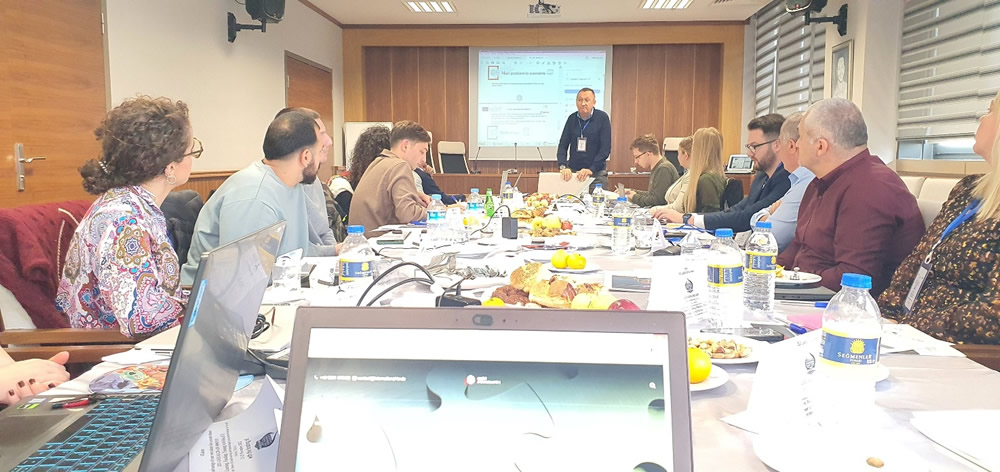
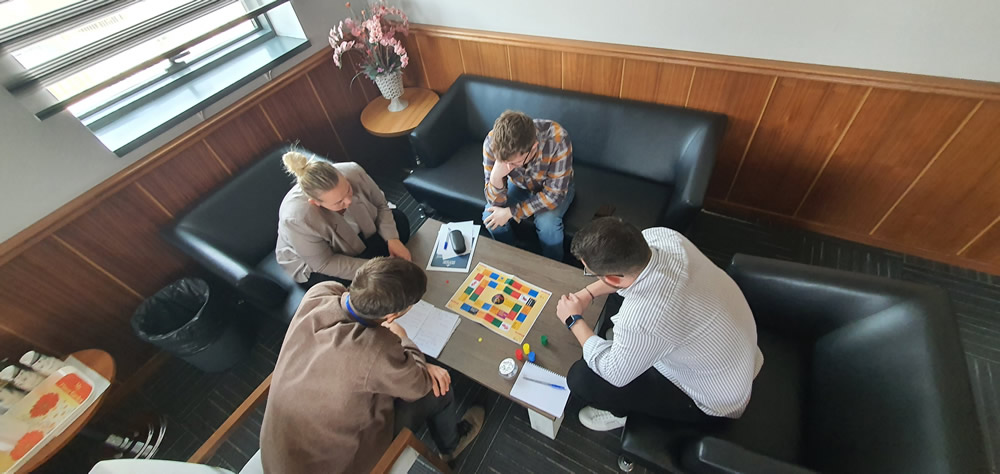
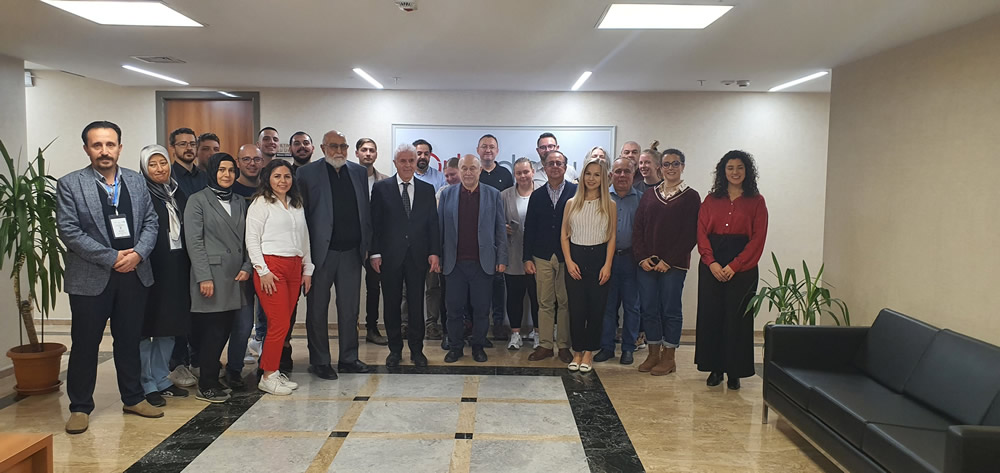
The consortium of the 4TALENTS project met in Ankara from the 21st to the 23rd of November, 2022, to deliver a three-days training shaped according to the needs of educators who work with young adults with fewer opportunities.
The project 4TALENTS aims at providing new instruments and tools to educators, trainers and young adults to recognise talents they developed during their lifetime, which could help groups with fewer opportunities to access the labour market.
In a world that is more competitive than ever, being aware of our own talents and employing them to create a future shaped on specific needs, can be an asset for achieving happiness and personal satisfaction.
During 4TALENTS’ training the trainers, each partner organisation involved two experts in education who work or aim to work with young people with fewer opportunities.
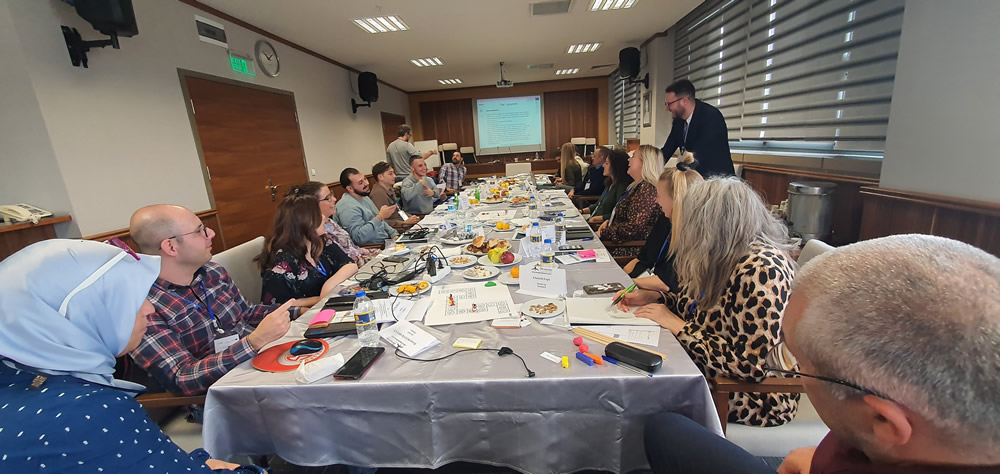
Networking, Recognising Unconscious Biases, Creative Problem-Solving, Time Management, Communication and Interaction, Self-Confidence, Self-Motivation, Self-Knowledge and Self-Awareness: these were the topics discussed during the three-days training, with experts coming from Denmark, Spain, Italy, Turkey, Germany and Poland.
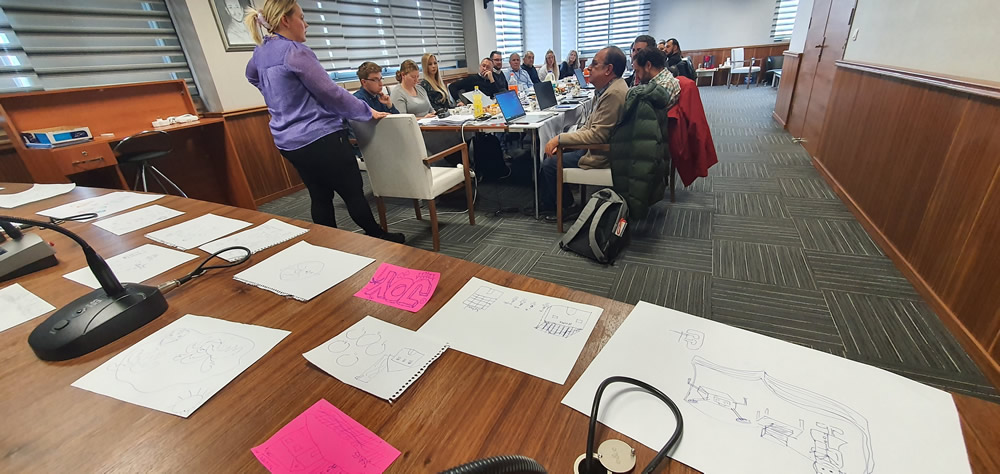
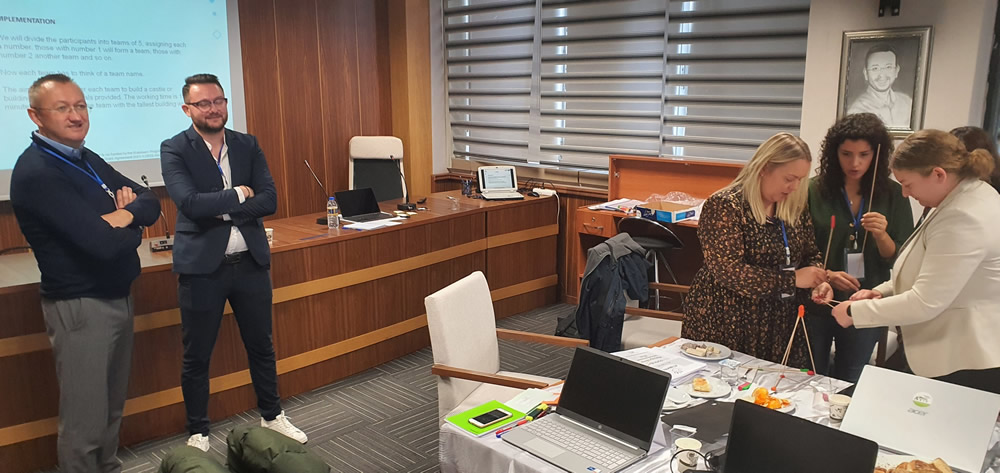
The modules tested consist of a theoretical part on each talent examined, plus two activities to be put into practice to understand the nature of these talents and how each of us can recognize them in ourselves and others.
These tools form the basis for the next steps of the project: once talents are identified, a diagnostic system will be built to match them with labour market supply, and a resource pack for young adults will be created so that they can learn to independently recognize their talents and skills to enter the labour market.
It was a great occasion for partners to enforce team-building and for networking with experts from all around the world, as well as learning new instruments which will benefit local communities.
If you want to know more about the project, follow us on Facebook, Instagram and our brand-new website!

This project has been funded with support from the European Commission. This document reflects the views only of the authors, and the Commission cannot be held responsible for any use which may be made of the information contained therein.